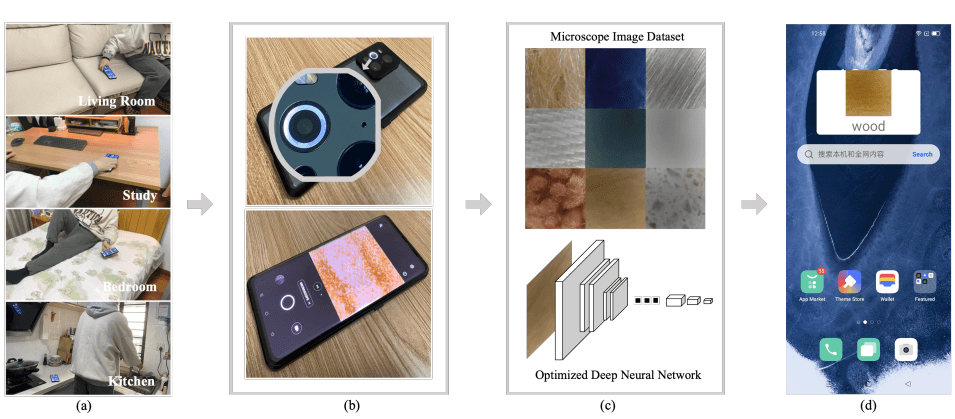
MicroCam (IMWUT ’23)
Turns a smartphone microscope camera into a low-cost sensor for recognizing contact surfaces and their fine-grained context.
Intelligent sensing
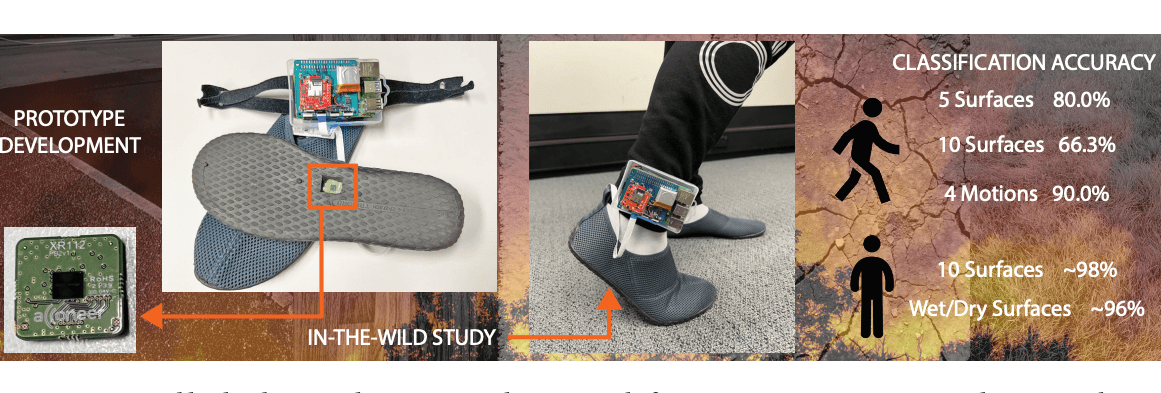
Embeds radar sensing in a smart shoe to recognize fine-grained ground-surface context during everyday movement.
RadarFoot (UIST ’23)
Read the paperThe question
The approach
RadarFoot embeds radar sensing in a smart shoe to recognize fine-grained ground-surface context during everyday movement.
Evidence & scope
This collaborative project studies ground-surface recognition. Possible adaptive footwear and navigation applications are not evidence of a validated autonomous assistance system.
This work connects wearable sensing to the physical environment around a person. Alongside vision-based surface sensing, it motivates a broader question: which signals are useful for understanding a particular context?
Explore this research directionTurns a smartphone microscope camera into a low-cost sensor for recognizing contact surfaces and their fine-grained context.
Accepted, in press
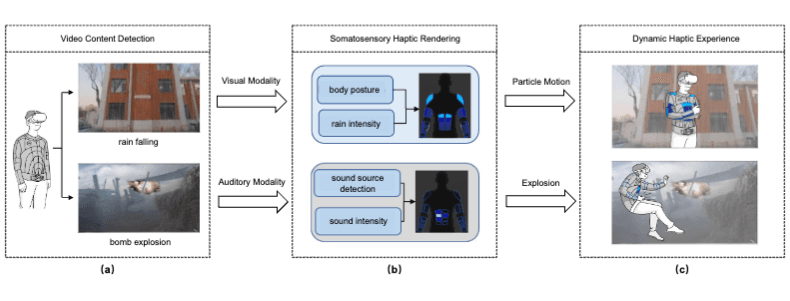
Transforms visual and auditory ambient cues into somatosensory electrical stimulation, extending haptic feedback in virtual reality.
UbiComp/ISWC Companion · Exploratory study
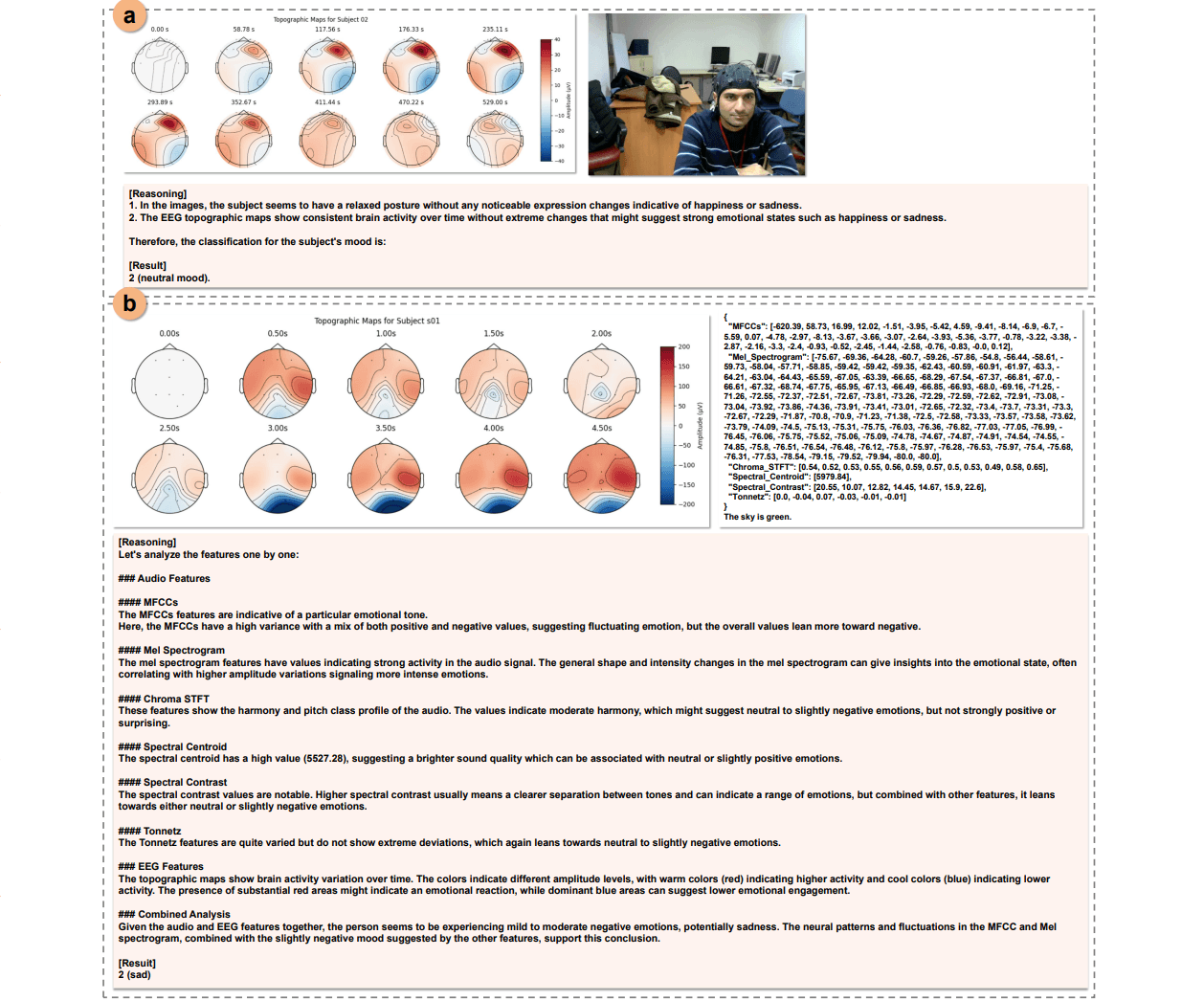
Explores EEG with facial or speech-derived context in language-model classification benchmarks, without claiming clinical validation.
The related IntervEEG-LLM framework explores how multimodal interpretations can inform supportive dialogue. Its example cases are not evidence of clinical effectiveness.
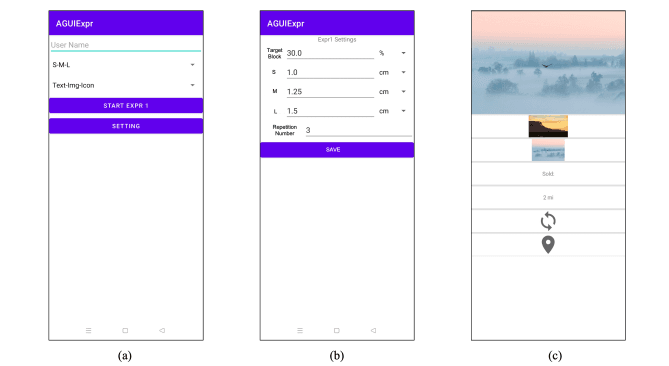
Adapts mobile interfaces to a user’s motion state so interaction remains legible and usable in dynamic settings.